

Protecting Weak Teeth from Further Damage
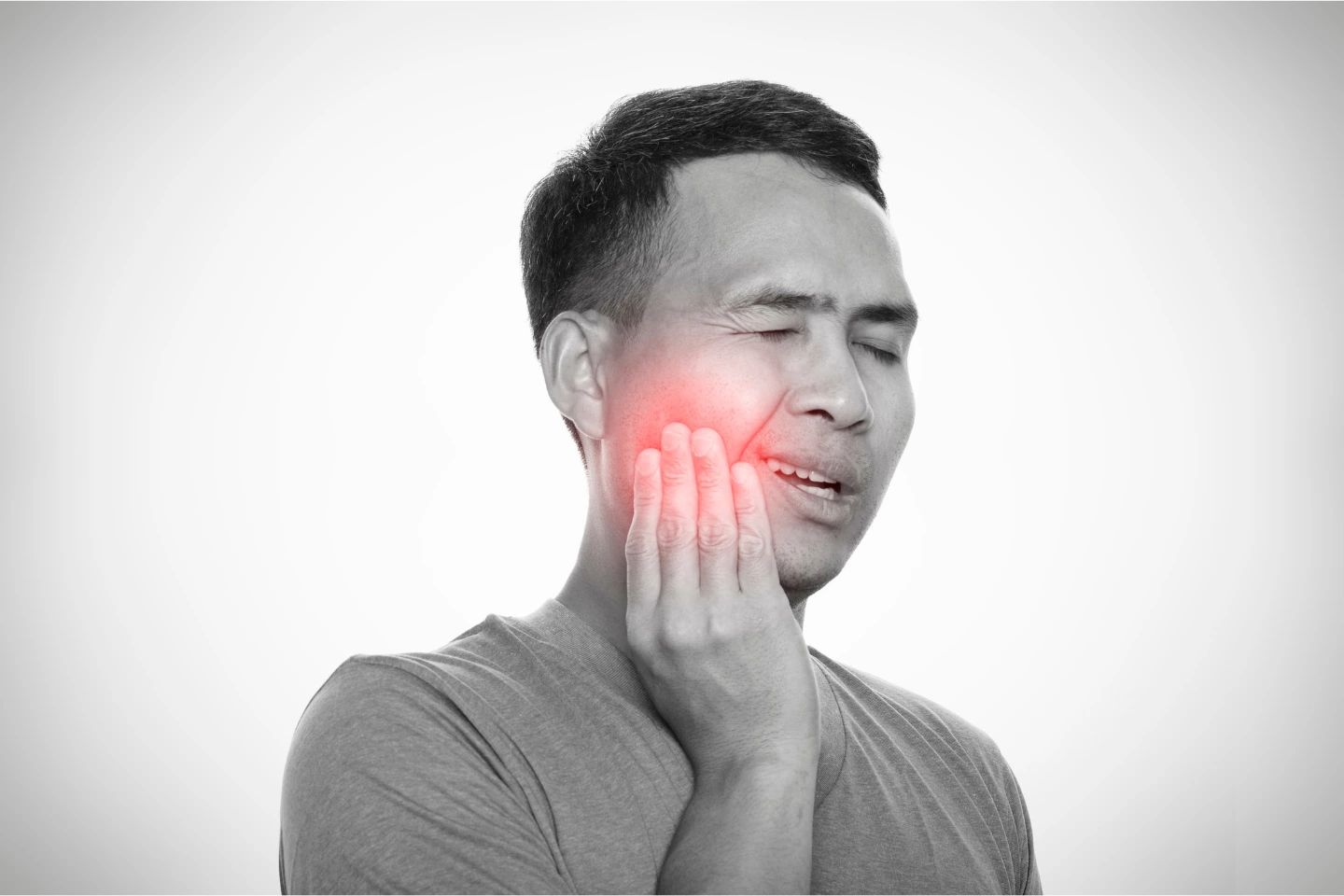
Weak teeth are a common problem, and they rarely improve on their own. A sharp twinge from a cold drink, a chip while eating, or a nagging worry about your next dental visit are all signs that your enamel needs attention. Left unaddressed, fragile teeth are prone to cracks, deep decay, and eventual tooth loss.
The good news is that weak teeth can be protected with the right combination of daily habits and professional treatment. This guide explains why teeth lose strength, what you can do at home to slow the damage, and which dental treatments provide lasting protection.
What Causes Weak Teeth?
Enamel is the hardest substance in the human body, but it isn't indestructible. Several common factors wear it down over time:
- Acid erosion: Frequent exposure to acidic foods and drinks, including citrus fruits, soda, sports drinks, and wine, strips minerals from your enamel and leaves teeth thin and vulnerable.
- Chronic teeth grinding (bruxism): Clenching or grinding your teeth at night puts constant pressure on your enamel. Over time, this friction causes micro-fractures and significantly raises the risk of a break. If you wake up with jaw soreness or headaches, it may be worth discussing TMJ disorders with your dentist as well.
- Undetected decay: Bacteria on your teeth form plaque and produce acids that create cavities. Left untreated, a cavity hollows out the tooth from the inside, leaving the outer structure unsupported.
Daily Habits That Prevent Further Damage
Protecting fragile teeth starts with small, consistent changes to your daily routine.
1. Upgrade Your Brushing Technique
A hard-bristled brush or overly aggressive brushing wears away enamel instead of protecting it. Switch to a soft-bristled or electric toothbrush with a pressure sensor, and brush gently at a 45-degree angle toward the gumline twice a day.
2. Use Mineralizing Oral Care Products
Fluoride toothpaste, or a paste containing nano-hydroxyapatite, helps bind lost calcium and phosphate back to enamel and harden weak spots. Your dentist may also recommend an in-office fluoride treatment for added protection.
3. Rethink Your Diet
Cut back on sugary and starchy foods that feed cavity-causing bacteria, and add more calcium- and vitamin D-rich foods, such as cheese, yogurt, and leafy greens. After eating something acidic, rinse with plain water and wait at least 30 minutes before brushing to avoid brushing softened enamel.
4. Keep Up With Routine Checkups
Regular oral exams and dental cleanings catch weak spots and early decay before they turn into a bigger problem, giving you the best chance to reverse damage while it's still minor.
Professional Treatments for Weak Teeth
Home care alone isn't always enough for a tooth that's already structurally compromised. A dentist can add support that daily habits can't provide on their own.
- Dental crowns: A crown fits over the visible portion of a tooth to restore its shape and strength. Crowns work well for deep cracks, heavy decay, or teeth weakened by large, older fillings.
- Dental bonding: A tooth-colored composite resin is applied to vulnerable areas and hardened with a curing light to cover exposed layers. Bonding is best suited to minor chips, rough edges, or thin spots in the enamel.
- Custom night guards: A night guard creates a barrier between your upper and lower teeth, absorbing pressure while you sleep. This is the most effective way to prevent enamel wear and fractures caused by nighttime grinding.
When Damage Leads to Tooth Loss
Sometimes a tooth is too weak to save. If a crack extends below the gumline, or decay has destroyed the root structure, an extraction may be the safest way to prevent infection from spreading to the jawbone.
Losing a tooth is discouraging, but replacing it quickly matters. An empty space allows neighboring teeth to shift, which changes your bite and puts extra stress on the teeth you have left.
The Gold Standard: Dental Implants
If a weak tooth can't be saved, a dental implant is the most reliable long-term replacement. Unlike a bridge, an implant doesn't rely on neighboring teeth for support. A titanium post is placed in the jawbone to act as a replacement root, and once healed, a custom porcelain crown is attached, giving you a replacement tooth that looks, feels, and functions like a natural one.
Take Control of Your Oral Health
You don't have to live with the worry of fragile or painful teeth. Whether you need preventive care to strengthen your enamel, or restorative treatment to rebuild a damaged smile, our team at General and Implant Dentistry is here to help.
Contact us today to schedule a comprehensive evaluation and build a personalized plan to protect your smile for years to come.
Frequently Asked Questions
Q: Can weak teeth be made strong again?
A: Early enamel erosion can be reversed through remineralization with fluoride treatments, specialized toothpaste, and dietary changes. Once the structural integrity of a tooth is lost to a deep crack or cavity, however, it can't grow back — treatments like crowns or bonding are needed to restore strength.
Q: How do I know if my teeth are structurally weak?
A: Common signs include sensitivity to hot or cold, pain when chewing, visible chips or cracks, and enamel that looks translucent or yellowish. A professional dental exam is the most reliable way to catch this damage early.
Q: Why do my teeth chip so easily?
A: Teeth chip easily once the protective enamel has thinned, which can happen from an acidic diet, teeth grinding, or internal decay that leaves the outer shell unsupported. Regular cleanings help identify these weak points before a chip occurs.
Q: Will a dental implant protect my other teeth?
A: Yes. Replacing a missing or unsavable tooth with a dental implant fills the empty space and stabilizes your bite. This keeps your remaining teeth from shifting out of alignment and distributes chewing forces evenly across your jaw, protecting your natural teeth from excess wear.
Get in Touch
Don’t wait for symptoms to worsen. Book your consultation today and take the first step towards better health.

Call Us: +1 (508) 757-0591
Email Us: admin@generalandimplant

Mon & Thu: 8 a.m. – 5 p.m.
Tue: 8 a.m. – 2 p.m.
Wed: 8 a.m. – 1 p.m.
Fri – Sun: Closed

© 2026 General and Implant Dentistry | All Rights Reserved | Privacy Policy | Digital Marketing by Remedo