


What Are Dental Crowns Made Of? Porcelain vs Zirconia vs Metal
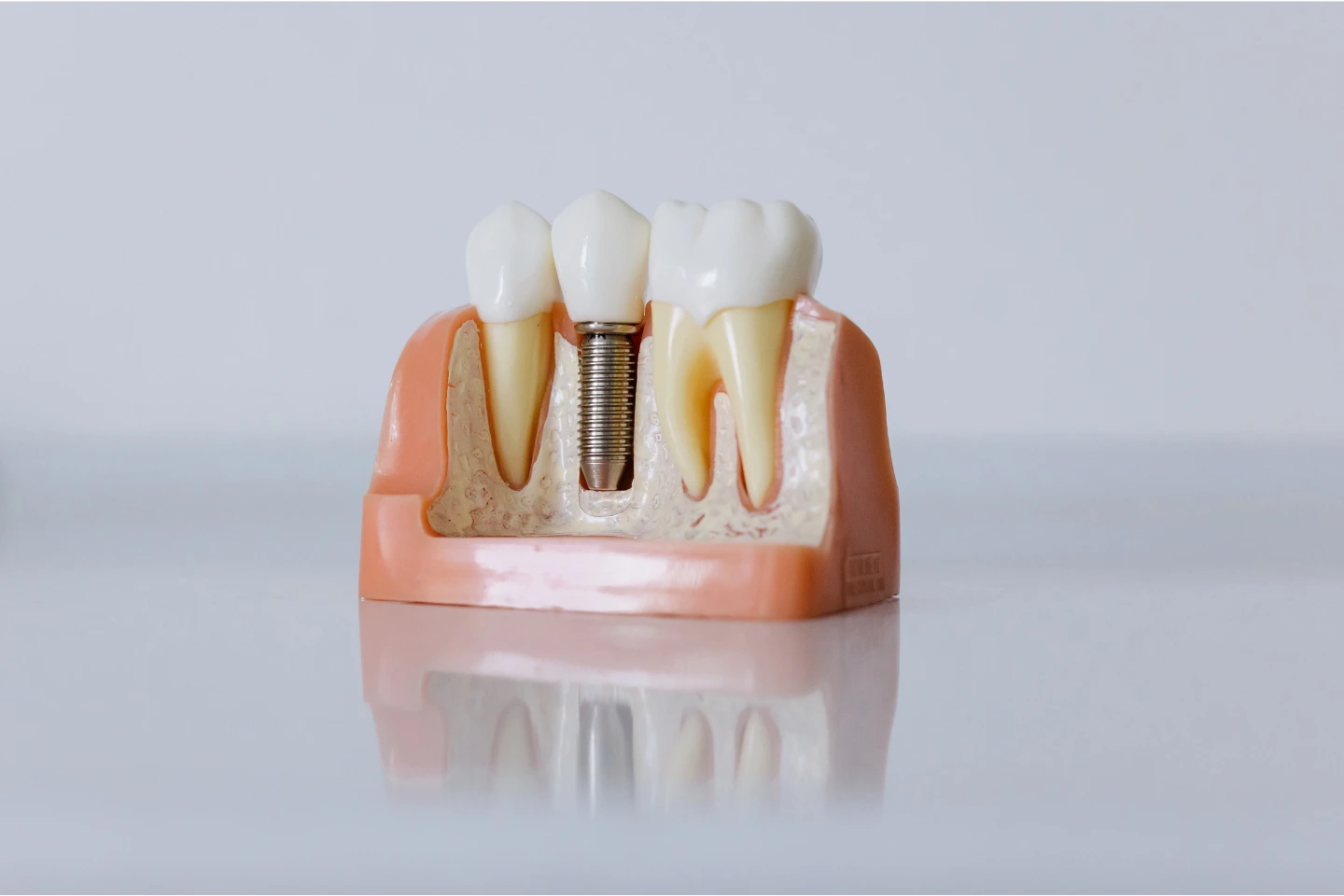
If your dentist has recommended a crown, one of the first questions that probably comes to mind is what it will actually be made of. There are several types of dental crowns available today, each with its own strengths, and choosing between them often comes down to where the crown is going, what your bite looks like, and what matters most to you personally, whether that is appearance, durability, or overall comfort. Understanding the differences between these materials can make the conversation with your dentist a lot more straightforward.
This guide breaks down the most common types of dental crowns, including porcelain, all ceramic, zirconia, and metal options, along with how they compare so you can have a more informed discussion at your next appointment.
The Main Types of Dental Crowns Used in Modern Dentistry
Dentists today typically choose from a handful of established materials when recommending a crown, and each one brings a different balance of strength, appearance, and cost to the table. The most common types of dental crowns include porcelain fused to metal, all ceramic or all porcelain, zirconia, and traditional metal crowns made from gold or other alloys.
The right choice often depends on which tooth needs the crown, since front teeth generally call for materials that blend in with a natural smile, while back teeth that handle heavier chewing forces sometimes benefit from stronger, more durable options. Getting familiar with the types of dental crowns available gives you a better foundation for talking through your specific case with your dentist.
Porcelain Crowns and Why They Are a Popular Choice
Porcelain crowns, often applied over a metal substructure, have long been a popular option because they combine a natural-looking appearance with solid durability. The porcelain layer can be shaded and shaped to closely match the surrounding teeth, which makes this option especially appealing for crowns placed on front teeth where appearance matters most.
One consideration with porcelain fused to metal crowns is that the metal underneath can sometimes become visible as a thin line near the gumline over time, particularly if the gums recede slightly. Even so, porcelain remains a widely used and reliable option, especially for patients who want a natural look combined with the added strength that the metal base provides.
Ceramic Crowns and Their Cosmetic Advantages
All ceramic, or all porcelain, crowns are made entirely from ceramic material without a metal base underneath, which allows light to pass through in a way that closely mimics the translucency of natural tooth enamel. This makes ceramic crowns a strong choice for patients focused on cosmetic results, since there is no risk of a visible metal line at the gumline the way there can be with porcelain fused to metal crowns.
Ceramic crowns tend to be a favorite for front teeth restorations where blending in with the rest of the smile is the top priority. While ceramic has improved significantly in strength over the years, it may not always be the first recommendation for back teeth that handle heavier biting forces, depending on your dentist's assessment of your specific bite and chewing habits.
Zirconia Crowns and What Makes Them So Durable
Zirconia crowns have become increasingly popular in recent years because they offer a strong combination of durability and a reasonably natural appearance. Zirconia is a type of ceramic material known for its exceptional strength, which makes it a common recommendation for molars and other teeth that experience significant chewing pressure.
When people compare porcelain vs zirconia crowns, one of the biggest differences that comes up is strength versus translucency. Zirconia tends to be more durable and resistant to chipping compared to traditional porcelain, though some earlier versions of zirconia were less translucent and could appear slightly more opaque. Newer zirconia formulations have improved in this area, offering a better blend of strength and a more natural look, which is part of why zirconia has become such a widely used option across both front and back teeth.
Metal Crowns and When They Are Still Recommended
Metal crowns, typically made from gold alloys or other metal blends, have been used in dentistry for a long time and remain a practical option in certain situations. Metal crowns are known for their exceptional strength and resistance to wear, which makes them a solid choice for molars that endure heavy chewing forces, especially for patients who grind their teeth.
The main tradeoff with metal crowns is appearance, since the metallic color stands out compared to natural tooth enamel. For this reason, metal crowns are typically placed on back teeth where they are less visible, rather than on front teeth where a more natural look is usually preferred.
Comparing Porcelain vs Zirconia Crowns for Your Specific Needs
Since porcelain vs zirconia crowns is one of the most common comparisons patients ask about, it helps to break down the practical differences a bit further. Porcelain, particularly when fused to metal, offers a well-established track record and a natural appearance, though it may be more prone to chipping compared to zirconia over time. Zirconia, on the other hand, tends to hold up better under heavy biting forces and is less likely to fracture, making it a frequently recommended option for molars.
That said, cosmetic preferences, the specific tooth being restored, and your dentist's clinical judgment based on your bite and oral health history all play a role in determining which material makes the most sense for your particular situation.
Factors That Influence Which Crown Material Is Right for You
Choosing between the types of dental crowns available often comes down to a few key factors beyond just material strength. The location of the tooth matters significantly, since front teeth generally prioritize a natural appearance while back teeth often prioritize durability. Your bite pattern and whether you have a history of teeth grinding can also influence which material will hold up best over time.
Cost is another practical consideration, since materials like zirconia and all-ceramic crowns can sometimes come with a different price point compared to porcelain fused to metal or traditional metal crowns, depending on your dentist's pricing and your insurance coverage. Discussing your priorities, whether that is appearance, longevity, or budget, helps your dentist guide you toward the option that best fits your needs.
How Long Do Different Types of Dental Crowns Typically Last
Longevity varies depending on the material chosen, how well the crown is cared for, and individual factors like bite force and oral hygiene habits. Metal and zirconia crowns are generally recognized for their durability and tend to hold up well over many years of use. Porcelain and all-ceramic crowns can also last a long time with proper care, though they may be somewhat more susceptible to chipping under heavy biting forces compared to metal or zirconia options.
Regardless of the material, good oral hygiene, avoiding excessive strain from habits like chewing ice or grinding teeth, and attending regular dental checkups all play a role in how long any type of crown will continue to perform well.
Talk to General and Implant Dentistry About Your Crown Options
Choosing the right crown material is a personal decision that depends on your specific tooth, bite, and priorities, and the team at General and Implant Dentistry is ready to walk you through your options. Whether you are weighing porcelain vs zirconia crowns or want to understand which types of dental crowns might work best for your situation, a personalized consultation can help you make a confident, informed choice. Contact General and Implant Dentistry today to schedule an appointment and take the next step toward restoring your smile.
Frequently Asked Questions About Dental Crown Materials
Q: What are the main types of dental crowns available today?
A: The most common types of dental crowns include porcelain fused to metal, all ceramic or all porcelain, zirconia, and metal crowns made from gold or other alloys.
Q: Which is stronger, porcelain or zirconia crowns?
A: Zirconia is generally considered more durable and resistant to chipping compared to traditional porcelain, which is part of why it is often recommended for molars.
Q: Are ceramic crowns good for front teeth?
A: Yes, all ceramic crowns are popular for front teeth because they closely mimic the translucency of natural tooth enamel without a visible metal line at the gumline.
Q: Do metal crowns look natural?
A: Metal crowns have a metallic appearance rather than a natural tooth color, which is why they are typically placed on back teeth that are less visible when smiling or talking.
Q: How long do zirconia crowns typically last?
A: Zirconia crowns are known for their durability and can last many years with proper oral hygiene and regular dental checkups, though individual results can vary.
Q: How do I decide between porcelain vs zirconia crowns for my tooth?
A: This decision often depends on the location of the tooth, your bite pattern, and your cosmetic preferences, so discussing your specific situation with your dentist is the best way to choose.
Get in Touch
Don’t wait for symptoms to worsen. Book your consultation today and take the first step towards better health.

Call Us: +1 (508) 757-0591
Email Us: admin@generalandimplant

Mon & Thu: 8 a.m. – 5 p.m.
Tue: 8 a.m. – 2 p.m.
Wed: 8 a.m. – 1 p.m.
Fri – Sun: Closed

© 2026 General and Implant Dentistry | All Rights Reserved | Privacy Policy | Digital Marketing by Remedo