

Beginner’s Guide to Dental Bridges
Losing a tooth often impacts more than just the way your smile looks. At first, you might only notice a small gap, but eventually, the little things start to add up. Chewing can feel a bit lopsided, or maybe you find yourself avoiding certain foods altogether. It is also common for people to feel a little self-conscious during a conversation or when someone pulls out a camera.
Something many patients do not immediately realize is that a missing tooth can actually change the layout of your mouth over time. Your teeth naturally want to shift into open spaces. This movement can sometimes throw off your bite or put unnecessary pressure on the teeth next door. That is why dentists generally suggest looking into replacement options before these minor shifts become bigger problems.
A dental bridge is one of the most reliable ways to fix this. They have been around for a long time, helping people get back to eating normally and feeling like themselves again. If you have been looking for info on dental bridges in Worcester, MA, this guide is here to simplify the process and make it feel a lot less overwhelming.
How Dental Bridges Work
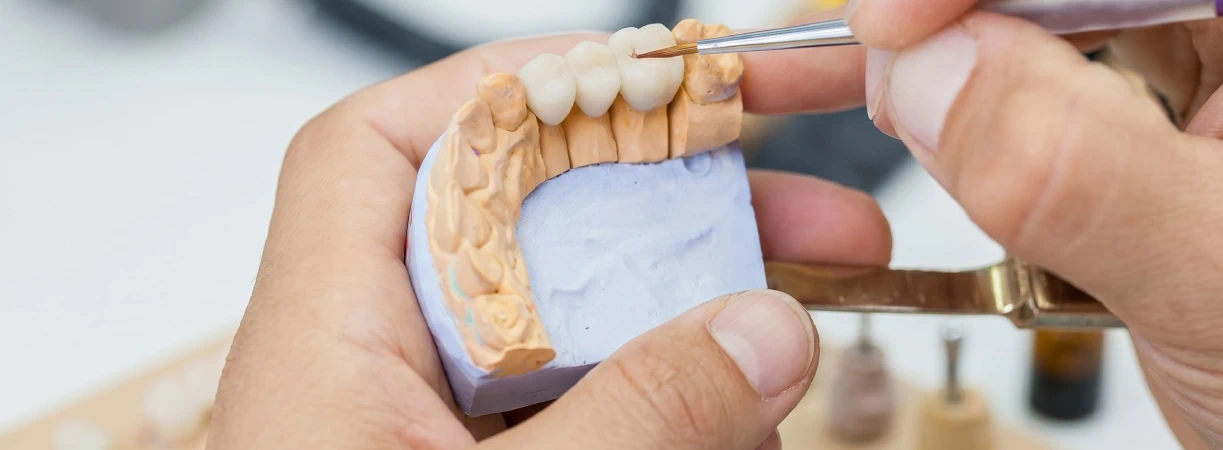
Think of a dental bridge as a custom-made restoration designed to fill the void left by one or more missing teeth. It uses artificial teeth to bridge the gap, anchored either by your own natural teeth or by dental implants.
A standard bridge usually consists of:
- Artificial teeth (known as pontics) to fill the space
- Crowns that sit on the teeth on either side of the gap
- Materials colored to match your natural teeth so they blend right in
A lot of our patients considering dental bridges in Worcester, MA, like the fact that these are fixed. Unlike dentures, you do not have to take them out. They stay put, which usually feels much more stable when you are eating or talking. At General and Implant Dentistry, we do not really believe in a one-size-fits-all approach. We plan your treatment around your specific bite and long-term health goals.
Why Timing Matters for Your Oral Health
It can be easy to put off replacing a tooth, especially if it is tucked away in the back where nobody sees it. However, leaving that space empty can sometimes lead to a bit of a domino effect for your dental health.
Common issues that can pop up include:
- Teeth slowly drifting out of their proper spots
- Changes in how your upper and lower teeth meet
- A harder time chewing certain textures
- Uneven wear and tear on your remaining teeth
- Loss of natural facial support over the years
Not everyone will deal with every single one of these issues, but they happen often enough that we usually suggest starting the conversation about a replacement sooner rather than later. Dental bridges in Worcester, MA, can help keep your bite balanced and your jaw functioning properly.
Different Types of Bridges
Bridges are not a single standard design. The version that works for you usually depends on where the tooth is missing and the health of the rest of your mouth.
Traditional Dental Bridges
This is what most people have in mind. It uses crowns on both sides of the gap to anchor the new tooth in place. It is a great go-to option if the neighboring teeth are healthy and strong.
Cantilever Dental Bridges
These are a bit different because they only anchor to one tooth instead of two. While they are not as common today, they can be the right choice in specific situations where there is only one natural tooth available for support.
Maryland Dental Bridges
A Maryland bridge uses a metal or porcelain framework bonded to the back of your existing teeth. Since this does not require full crowns, it preserves more of your natural tooth structure. We often see these used for front teeth.
Implant-Supported Dental Bridges
Instead of resting on your teeth, this bridge is held up by dental implants. This is often a very stable choice if you are looking to replace several teeth in a row.
Are You a Good Candidate?
Most adults with missing teeth can get a bridge, but there are a few things we look at first to make sure it is the right move. During an exam, we usually check:
- The health of your gums
- The strength of your jawbone
- The condition of the teeth next to the gap
- Your general oral hygiene habits
In some cases, we might need to treat gum disease or a damaged tooth before we get started on the bridge itself. If you are curious about dental bridges in Worcester, MA, a quick visit to General and Implant Dentistry can help you figure out if a bridge or perhaps an implant is the better fit for your life.
What the Process Actually Looks Like
A lot of people worry that getting a bridge will be a massive ordeal, but it is actually a fairly standard routine in most dental offices.
- The Exam: We start with a close look at your mouth, usually involving X-rays or digital scans to see what is happening beneath the surface.
- Preparation: For a traditional bridge, the anchor teeth are gently reshaped so the crowns can fit over them perfectly.
- Digital Scans: We take impressions so your custom bridge fits your bite comfortably.
- The Temporary Bridge: You will often wear a temporary version to protect your teeth while the lab finishes your permanent one.
- The Final Fit: Once it is ready, we bond the permanent bridge in place and make any tiny adjustments needed for comfort.
Most people find that after a few days, the bridge starts to feel like a natural part of their mouth.
Long-Term Care and Durability
How long a bridge lasts depends a lot on how you take care of it. While the bridge itself can't get a cavity, the teeth holding it up still can. Because of that, keeping your gums healthy is the most important part.
We usually suggest:
- Brushing twice a day (as usual)
- Using a floss threader to get underneath the bridge
- Staying on top of your regular dental cleanings
- Avoiding things like chewing on ice or hard candy
Many dental bridges last for quite a while if you keep up with these basic habits.
Bridges vs. Implants
We get asked about this a lot. Neither is necessarily better, it just depends on your goals.
You might lean toward a dental bridge if you want a faster treatment time or if you prefer a non-surgical route. It is also a smart choice if the teeth next to the gap already need crowns anyway.
On the other hand, dental implants are great if you want to replace a tooth without touching the healthy teeth next to it. At General and Implant Dentistry, we will walk you through the pros and cons of each so you can make a choice that feels right for you.
Looking Forward
If you have been struggling with a missing tooth, it is worth exploring your options. Dental bridges in Worcester, MA, remain a dependable, time-tested way to get your smile back on track.
If you are ready to learn more, a consultation at General and Implant Dentistry is the best place to start. We can look at your specific situation and help you decide on a plan that makes sense for your health and your budget.
Frequently Asked Questions
Q: Are dental bridges permanent?
A: They are fixed, meaning they stay in your mouth 24/7. However, like any dental work, they may need some maintenance or a replacement after several years.
Q: Does it hurt to get a bridge?
A: We use local anesthesia during the preparation phase, so you should not feel pain during the procedure. Most patients just feel a bit of pressure.
Q: How do I clean under the bridge?
A: Since you cannot floss straight through, you use a little tool called a floss threader or a water flosser to clear out any debris underneath the artificial tooth.
Q: Can I eat normally?
A: Once you get used to the feeling, you can eat almost anything. You just have to be a little careful with extremely sticky or hard foods that could tug on the bridge.
Get in Touch
Don’t wait for symptoms to worsen. Book your consultation today and take the first step towards better health.

Call Us: +1 (508) 757-0591
Email Us: admin@generalandimplant

Mon & Thu: 8 a.m. – 5 p.m.
Tue: 8 a.m. – 2 p.m.
Wed: 8 a.m. – 1 p.m.
Fri – Sun: Closed

© 2026 General and Implant Dentistry | All Rights Reserved | Privacy Policy | Digital Marketing by Remedo